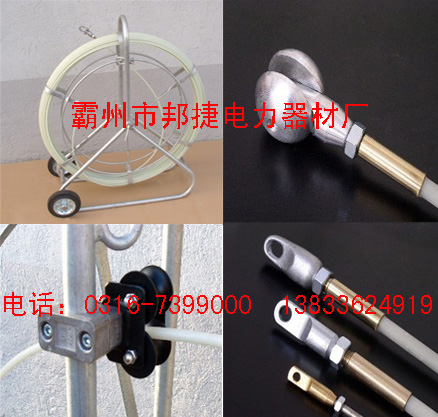
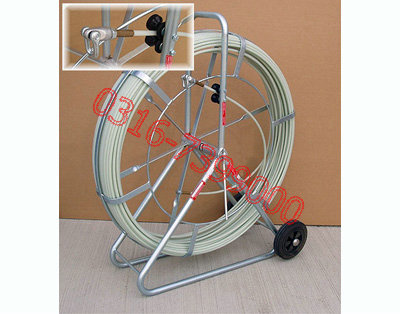
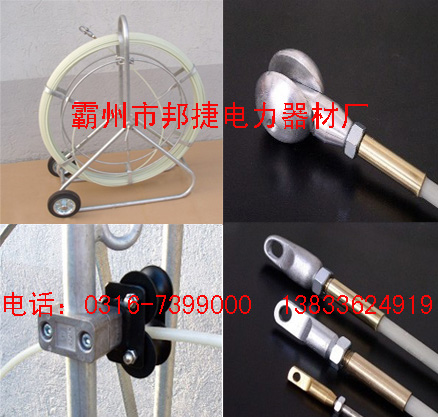
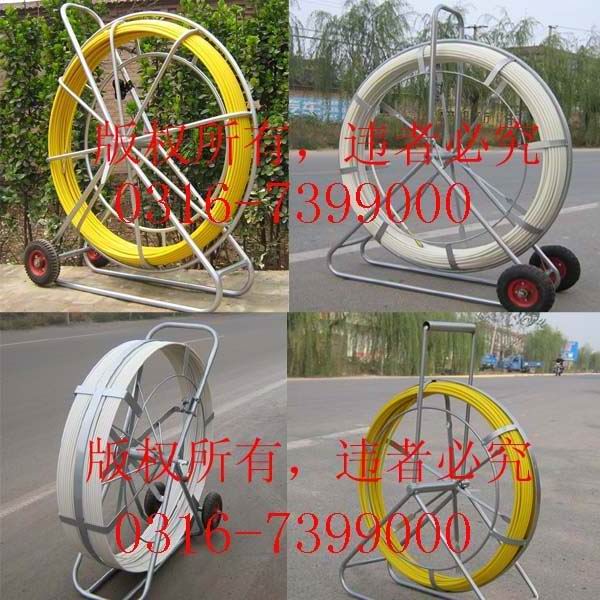
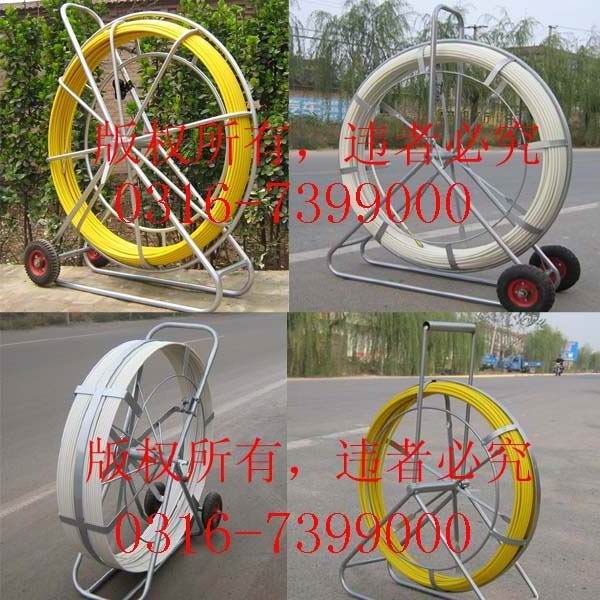
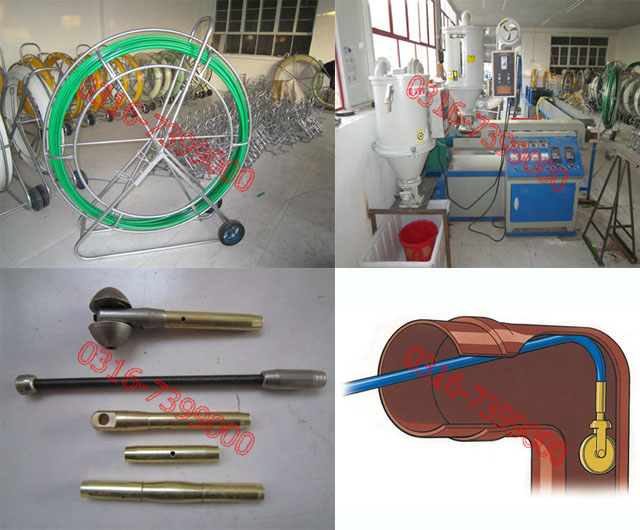
<p style="text-align: left; margin: 0cm 0cm 0pt; mso-layout-grid-align: none" class="MsoNormal" align="left"><font size="3"><span style="font-family: 宋体; mso-bidi-font-size: 10.5pt; mso-font-kerning: 0pt; mso-bidi-font-family: 宋体">玻璃钢</span><b style="mso-bidi-font-weight: normal"><span style="font-family: 宋体; color: red; font-size: 12pt; mso-font-kerning: 0pt; mso-bidi-font-family: 宋体">穿孔器</span></b><span style="font-family: 宋体; mso-bidi-font-size: 10.5pt; mso-font-kerning: 0pt; mso-bidi-font-family: 宋体">又名(玻璃钢</span><b style="mso-bidi-font-weight: normal"><span style="font-family: 宋体; color: red; font-size: 12pt; mso-font-kerning: 0pt; mso-bidi-font-family: 宋体">穿线器</span></b><span style="font-family: 宋体; mso-bidi-font-size: 10.5pt; mso-font-kerning: 0pt; mso-bidi-font-family: 宋体">、玻璃钢</span><b style="mso-bidi-font-weight: normal"><span style="font-family: 宋体; color: red; font-size: 12pt; mso-font-kerning: 0pt; mso-bidi-font-family: 宋体">穿管器</span></b><span style="font-family: 宋体; mso-bidi-font-size: 10.5pt; mso-font-kerning: 0pt; mso-bidi-font-family: 宋体">)对于在管道中牵引引导绳是优秀的辅助工具。光滑又富于弹性的表面可使穿孔器轻松地通过狭窄的通道。</span><b style="mso-bidi-font-weight: normal"><span style="font-family: 宋体; font-size: 12pt; mso-font-kerning: 0pt; mso-bidi-font-family: 宋体">穿孔器</span></b><span style="font-family: 宋体; mso-bidi-font-size: 10.5pt; mso-font-kerning: 0pt; mso-bidi-font-family: 宋体">由三部分构成:铜芯、玻璃纤维加强层、高压低密度聚乙烯防护层(平滑、坚固,可抵抗恶劣环境)。铜芯导体使捅条可以用不同方式轻易安放。璃钢</span><b style="mso-bidi-font-weight: normal"><span style="font-family: 宋体; font-size: 12pt; mso-font-kerning: 0pt; mso-bidi-font-family: 宋体">穿孔器</span></b><span style="font-family: 宋体; mso-bidi-font-size: 10.5pt; mso-font-kerning: 0pt; mso-bidi-font-family: 宋体">具有省时,省力,提高工效等优点,可用于电信管道清洗及光缆,电缆和塑料子管的布放。使用时首先将玻璃钢覆杆由引轮引出,然后与相应的金属头联接,穿入管路内。用于清理时,引导头带动清理工具,可以清理管道;用于布放电缆时,可先将钢丝或铁线带入,尔后用钢丝或铁线牵引电缆入管。<span lang="EN-US"><o:p></o:p></span></span></font></p> <p> <table style="width: 423.7pt; background: #999999; mso-cellspacing: .7pt; mso-padding-alt: 0cm 0cm 0cm 0cm" class="MsoNormalTable" border="0" cellspacing="1" cellpadding="0" width="565"> <tbody> <tr style="height: 15pt; mso-yfti-irow: 0; mso-yfti-firstrow: yes"> <td style="border-bottom: #ece9d8; border-left: #ece9d8; padding-bottom: 0cm; padding-left: 0cm; width: 235.2pt; padding-right: 0cm; background: white; height: 15pt; border-top: #ece9d8; border-right: #ece9d8; padding-top: 0cm" width="314"> <p style="text-align: left; margin: 0cm 0cm 0pt; mso-layout-grid-align: none; mso-pagination: widow-orphan" class="MsoNormal" align="left"><b><span style="font-family: 宋体; mso-bidi-font-size: 10.5pt; mso-font-kerning: 0pt; mso-bidi-font-family: 宋体"><font size="3">杆 径<span lang="EN-US"><o:p></o:p></span></font></span></b></p> </td> <td style="border-bottom: #ece9d8; border-left: #ece9d8; padding-bottom: 0cm; padding-left: 0cm; width: 186.4pt; padding-right: 0cm; background: white; height: 15pt; border-top: #ece9d8; border-right: #ece9d8; padding-top: 0cm" width="249"> <p style="text-align: left; margin: 0cm 0cm 0pt; mso-layout-grid-align: none; mso-pagination: widow-orphan" class="MsoNormal" align="left"><b><span style="font-family: 宋体; mso-bidi-font-size: 10.5pt; mso-font-kerning: 0pt; mso-bidi-font-family: 宋体" lang="EN-US"><font size="3">11<st1:chmetcnv unitname="mm" sourcevalue="18" hasspace="False" negative="True" numbertype="1" tcsc="0" w:st="on">-18mm</st1:chmetcnv><o:p></o:p></font></span></b></p> </td> </tr> <tr style="height: 15pt; mso-yfti-irow: 1"> <td style="border-bottom: #ece9d8; border-left: #ece9d8; padding-bottom: 0cm; padding-left: 0cm; width: 235.2pt; padding-right: 0cm; background: white; height: 15pt; border-top: #ece9d8; border-right: #ece9d8; padd


1/5
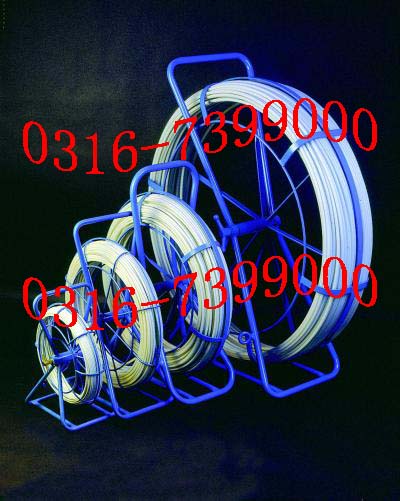
电缆通管器
2016-05-29 14:040询价
价格:未填
举报 0
收藏 0
评论 0
联系方式
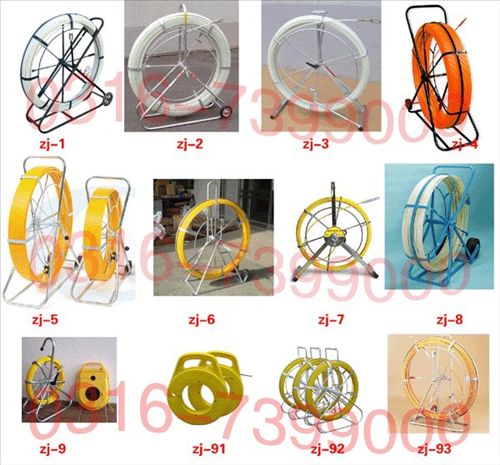
- 通管器
- 河北省邦捷电力机具器材厂
0询价面议
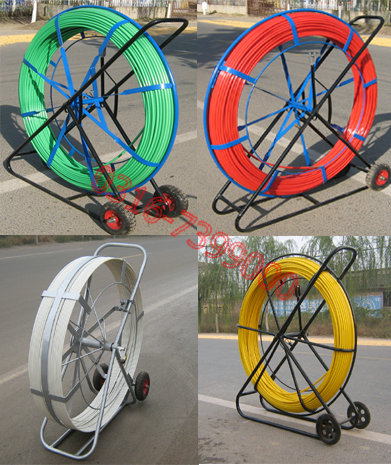
- 玻璃钢通管器
- 河北省邦捷电力机具器材厂
0询价面议
- 电缆通管器
- 河北省邦捷电力机具器材厂
0询价面议
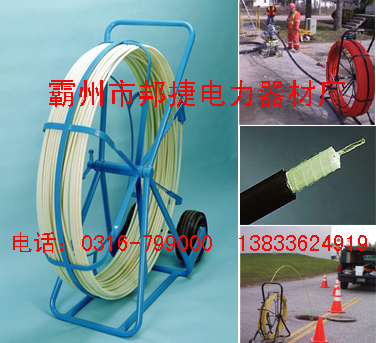
- 管道穿缆器
- 河北省邦捷电力机具器材厂
0询价面议
- 管道电缆穿孔器
- 河北省邦捷电力机具器材厂
0询价面议
- 管道电缆穿管器,
- 河北省邦捷电力机具器材厂
0询价面议
- 管道电缆引线器
- 河北省邦捷电力机具器材厂
0询价面议
- 管道引线器
- 河北省邦捷电力机具器材厂
0询价面议
- 管道穿缆器
- 河北省邦捷电力机具器材厂
0询价面议
- 电缆穿管机
- 河北省邦捷电力机具器材厂
0询价面议